
Bolivia is a country of a thousand faces: between mountains, valleys, salt deserts, and Amazon jungle, you can go in just a few hours’ drive from a glacial climate to tropical heat. If you’re planning your trip, the question “when to go?” quickly comes up. And the answer depends… on what you want to see and where you want to go.
This article gives you all the keys to choose the best time by region and type of trip. Spoiler: there isn’t ONE right answer, but several options depending on your priorities.
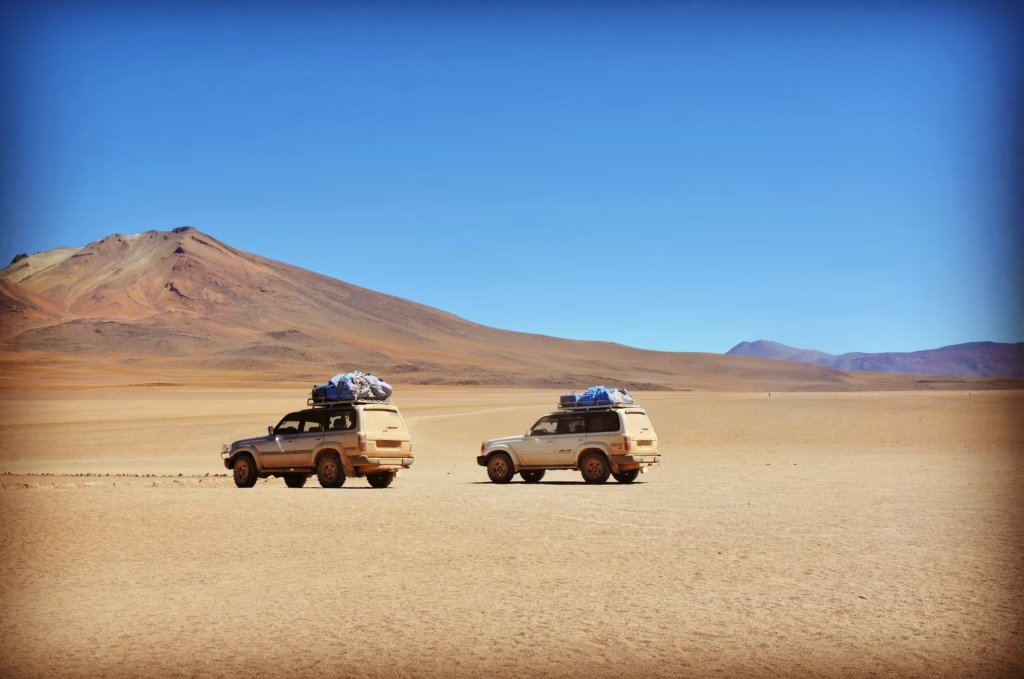
📍 The main climatic zones in Bolivia
1. Altiplano (La Paz, Uyuni, Oruro, Potosí)
- Dry and cold climate, especially at night
- Sunny but cool days
- Rainy season: December to March (roads sometimes impassable)
- Best time: May to October (dry season)
2. Amazon and tropical lowlands (Rurrenabaque, Santa Cruz)
- Hot and very humid
- Pronounced rainy season: November to March
- Dry season: April to October (ideal for expeditions)
3. Central Valleys (Sucre, Cochabamba, Samaipata)
- Temperate climate all year round
- Mild temperatures, often blue skies
- Some summer showers (January/February)
📅 Climate Month by Month (Overview)
| Month | Altiplano | Amazon/Tropics | Central Valleys |
|---|---|---|---|
| January | Rainy & cold | Very humid | Possible showers |
| February | Rain and clouds | High humidity | Mid-season |
| March | End of rains | Still humid | Pleasant |
| April | Dry & cool | Improving | Perfect |
| May | Cold & dry | Ideal | Ideal |
| June | Very cold & dry | Ideal | Cool & dry |
| July | Very cold & dry | Dry and bearable | Dry & cool |
| August | Clear and cold | Good time | Pleasant |
| September | Still dry | Hot & dry | Pleasant |
| October | Mild & dry | Humidity begins | Pleasant |
| November | Rains begin | Humidity returns | Possible thunderstorms |
| December | Start of rainy season | Very humid | Showers |
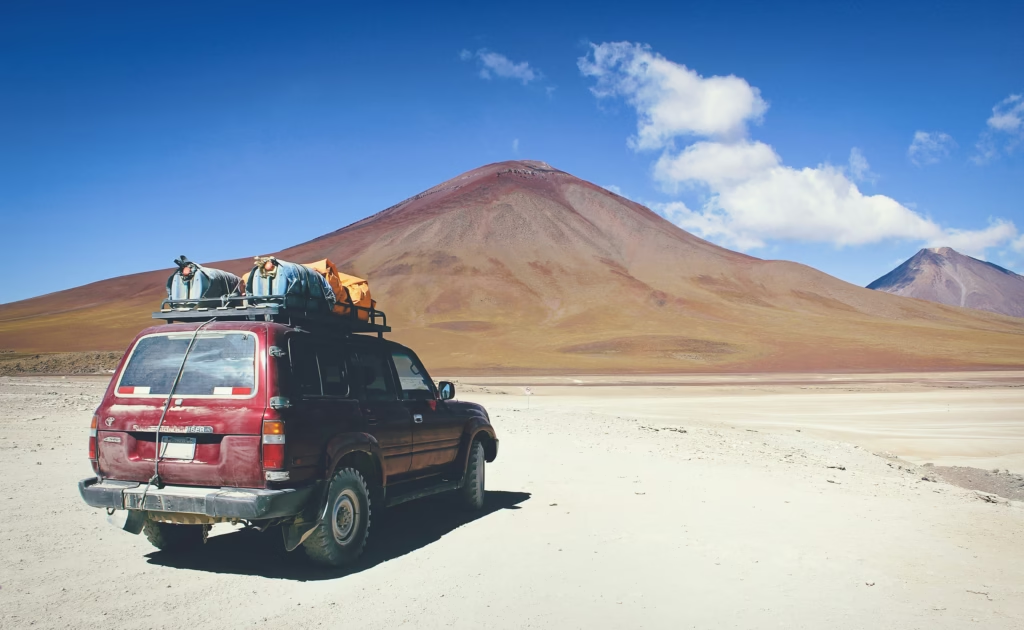
📷 When to Go Based on Your Trip Type?
🌄 For landscapes and photos (salt flats, lagoons, desert)
- Dry season (May to September) = blue sky, clear landscapes
- Wet season (February/March) = flooded Uyuni salt flats for the mirror effect
🎭 For mountain trekking (Condoriri, Huayna Potosí, Cordillera Real)
- Ideal: May to October
- June/July = freezing nights but perfect conditions
- To avoid: December to March (rain, snow, muddy trails)
🌿 For the jungle and Amazon (Rurrenabaque, Madidi)
- April to October: passable trails, limited mosquitoes
- December/February: impassable or very uncomfortable (flooded roads)
🚗 For a road trip or 4×4 tour
- Dry season = safer roads
- Wet season = unforeseen detours, but incredible landscapes
- Rent a car at the best price here
🛢 Practical Table: When to Go Based on Your Interests in Bolivia
| Traveler interested in… | Best time | To avoid |
| Uyuni Salt Flats mirror effect | February – March | June – October |
| High altitude hikes | May – September | December – March |
| Jungle & Amazonian wildlife | June – August | November – March |
| Full Bolivia tour | May – September | January – March |
| Culture & valleys | Year-round | (rainy months in Sucre) |

🤔 My Personal Opinion on When to Visit Bolivia
If you have to choose ONE period: June to September, that’s the best combo.
- You get the dry season for the Altiplano
- Passable trails for the South Lipez
- A more accessible jungle in Rurrenabaque
- Cold nights, certainly, but clear skies
And if you’re aiming for the Salar’s mirror effect, head there in February… but have backup plans (roads sometimes closed).
✅ Practical Tips
- Always bring warm layers, even during the day
- Protect yourself from the sun (strong UV at high altitude)
- Have an OKO Water Bottle to filter water everywhere
- Use an Holafly eSIM to stay connected in all regions
- Book your hotels here for more flexibility in case of plan changes
- Compare flights on Skyscanner to find the right season at the right price
🛍 So, when to visit Bolivia?
Bolivia is a country of contrasts: each season has its charm, but also its constraints. With a little planning and the right tools (like your OKO Water Bottle and your Holafly eSIM), you can fully enjoy each region. So, dry season or wet season? It’s up to you to choose your experience!

