Do you dream of walking in the footsteps of dinosaurs while exploring breathtaking canyons in Bolivia? 🦖 Torotoro National Park, often underestimated in favor of Salar de Uyuni, nevertheless hides a unique treasure: prehistoric footprints, impressive caves, and a landscape shaped by time. We reveal why this remote corner deserves a place in your itinerary, with tips to enjoy its wonders without breaking the bank. 🌄
Contents
- Discovering Torotoro National Park, the Dinosaur Paradise 🦖
- The Natural Wonders That Make Torotoro Famous 🏞️
- Visiting Torotoro Park: Practical Guide and Tips 🧭
- The Complete Experience: Ideal Itinerary for Discov
Discovering Torotoro National Park, the Dinosaur Paradise 🦖
A Hidden Treasure of Bolivia, Between History and Prehistory
Torotoro National Park is located southeast of Cochabamba, in the department of Potosí. Created in 1989, its 165 km² contain dinosaur footprints and spectacular canyons. It’s a must-visit destination for geology and prehistoric history enthusiasts. Also discover the other wonders of Bolivia to better understand why Torotoro is unique.
Between 1900 and 4000 m altitude, the park offers a landscape shaped by tectonic forces. Its Upper Cretaceous clay soil has preserved over 3,500 dinosaur footprints. The canyons and caves make it an exceptional paleontological site, attracting researchers from all over the world.
In the Footsteps of Prehistoric Giants: Exceptional Footprints
| Dinosaur Species | Main Characteristics | Notable Features |
| Sauropods | Quadrupedal Herbivores (Brachiosaurus, Diplodocus) | Largest footprints discovered in Bolivia |
| Theropods | Bipedal Carnivores (Coelurosauria, Velociraptor, Tyrannosaurus) | Tracks resembling those of giant birds with three claws |
| Ornithischians | Quadrupedal Herbivores (Ankylosaurs, Hadrosaurs) | Presence of club-tailed (Ankylosaurs) |
| Ornithopods | Bipedal Herbivores | Presence of footprints from specimens up to 15 meters |
| Ceratopsids | Horned Herbivores | First footprints of this type discovered in South America |
| Pterosaurs | Flying reptiles (not strictly classified as dinosaurs) | Tracks interpreted as landing sites |
The more than 3,500 footprints date from the Upper Cretaceous, between 65 and 140 million years ago. Preserved in argillite, they show movements of herbivorous and carnivorous dinosaurs. We even saw series of steps from a mother with her young!
A Journey Through Time: Understanding the Prehistoric Ecosystem
65 million years ago, Torotoro was a flat coast with swamps. Marine sediments preserved the footprints through which we can imagine dinosaurs in their original environment.
- Semi-tropical climate with alternating swamps and dry areas
- Coastal environment with shallow sea and sedimentary deposits
- Presence of herbivorous (sauropods, ankylosaurs) and carnivorous (theropods) dinosaurs
- Exceptional preservation thanks to argillite and ancient tides
The Cementerio de Tortugas, 3.5 km from the village, reveals fossils of Cretaceous turtles and fish. These marine remains are now found at high altitudes because
The Natural Wonders That Make Torotoro Famous 🏞️
Spectacular Canyons and Breathtaking Landscapes
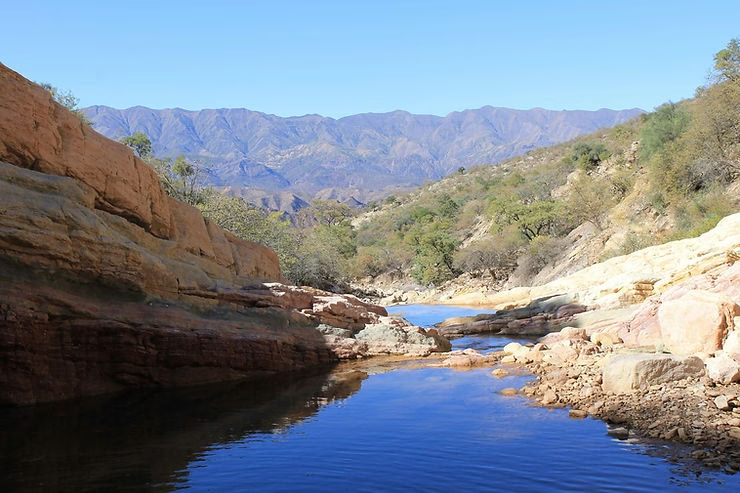
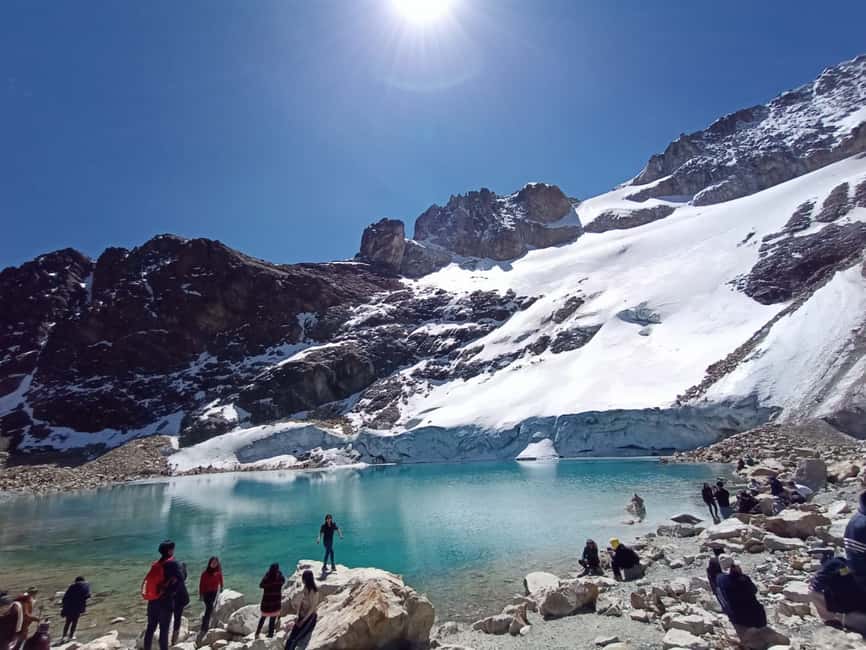
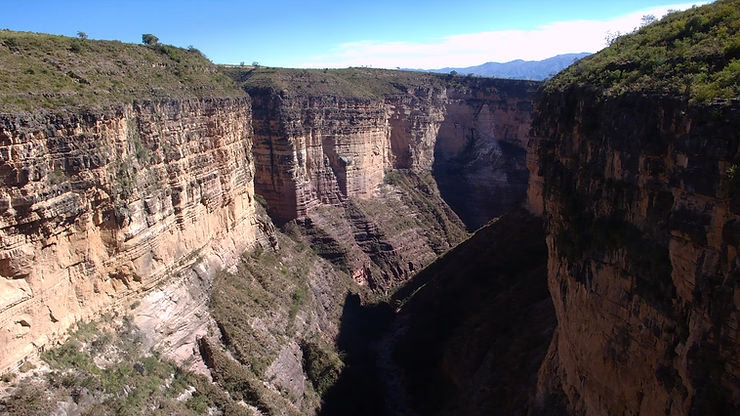
The Torotoro Canyon plunges 300 meters, carved by erosion into a karstic terrain. Its dizzying cliffs can be admired from the viewpoints or after 800 steps that lead to a refreshing lagoon. The descent reveals waterfalls and vultures soaring above the walls.
Our hike in the Canyon del Vergel began with 800 to 1,000 steep steps. The 7.4 km (2h18) loop trail mixes sweaty ascents and swims in glacial pools. Climbing back up the stairs remains the least strenuous option.
The Amazing Underground World: Caves and Caverns
Umajalanta Cavern extends over 4.5 km explored, with a 20-meter entrance from which the underground river rushes. Its stalactites, stalagmites, and mineral cascades are home to blind catfish and vampire bats. An adventure for adventurous caving enthusiasts.
Equipped with helmets and headlamps (10 Bs), we crawled through narrow passages, slid on mud, and discovered immense chambers. Turning off the lights revealed absolute silence, disturbed only by the underground river. The experience, reserved for the physically fit, will remain unforgettable.
Visiting Torotoro Park: Practical Guide and Tips 🧭
How to Get to the Park from Major Bolivian Cities
From Cochabamba, several options: direct minivan (4h, 6-9 USD), taxi (40-50 USD, 2h13m) or charter plane (30min, 140 USD). The road trip is 126 km. For more details, consult this complete guide to transportation in Bolivia.
Roads should be avoided during the rainy season (November-February) due to blockages. The collectivo ride from Cochabamba costs 35 Bs (4.6€) and takes 4h. A 4×4 is recommended for independent travelers. Minivans depart from 8 AM and wait until full.
Torotoro Village: Accommodation and Amenities
The village, surrounded by canyons, offers simple accommodation and a lively market. The cobblestone streets are full of dinosaur statues. The rural and authentic atmosphere invites escape.
Accommodation Options in Torotoro
| Type | Average price | Features |
| Hostel | 110 Bs per night | Basic rooms, shared bathroom |
| Hostal Dinosaurio | 110 Bs per night | With breakfast included |
| Private rooms | From 150 Bs | Sometimes with toilets and showers |
The market offers plates for 8 Bs (1.5€) with rice, meat, and soup. Bring snacks for hikes. The restaurant “Como en Casa” serves Italian and French dishes. For vegetarians, you’ll have to improvise!
Organizing Tours and Local Guides
A guide is mandatory to explore the park. Expect to pay 100-160 Bs for a half-day. Bookings are made at the guide office at 7 AM. English is only spoken by a few guides.
- Dinosaur footprint trail (half-day, easy)
- Umajalanta Cavern (full-day, moderate difficulty)
- Canyon del Vergel Hike (full-day, medium difficulty)
- 3-day complete circuit with overnight stay in the village
Allow 2 to 3 days to fully enjoy it. For a more extended trip, including Torotoro and other destinations, consult our 2-week itinerary in Bolivia. Bring hiking shoes, filtered water, and a swimsuit. The park is at 3700-4000 m altitude; coca is your ally. For your health and safety recommendations in Bolivia, avoid solo hikes.
Budget and Tips for an Economical Trip
Expect to pay 172€ for 3 days for two people. Entry costs 100 Bs per person for 4 days. Guides are shared among a maximum of 6 people to reduce costs.
Opt for shared minivans from Cochabamba (35 Bs). Negotiate room prices in the evening or Book your Hotel in Bolivia in advance for more peace of mind. To Book your activities in Bolivia, tours are more affordable in groups. Guides sometimes include transportation for certain hikes. To better manage your budget, consult this detailed guide.
The Complete Experience: Ideal Itinerary for Discovering Torotoro Park
After exploring the dinosaur footprints, canyons, and caves, it’s time to plan a complete itinerary. By combining our discoveries, we offer you a balanced journey between adventure and discovery. We detail how to organize your days to enjoy the best of Torotoro without exhausting yourself.
A 3-Day Itinerary to See Everything
Day 1: Arrival in Torotoro, visit to the dinosaur footprints with a local guide.
Day 2: Hiking in Canyon del Vergel with a swim in the natural pools.
Day 3: Exploration of Umajalanta Cavern and departure. This program, though busy, allows you to experience the complete park.
Tips for a Successful Stay
Bring light clothing for hikes and a sweater for cool nights. Pack enough water and a light backpack. In a group, don’t hesitate to share the costs of guides and transportation to minimize expenses. It seemed essential for us to fully enjoy it.
Between the dinosaur footprints with their prehistoric atmosphere, the breathtaking canyons, and the mysterious caves, Torotoro is absolutely worth the detour. If you dream of a trip combining adventure and discovery, head to this less-traveled corner of Bolivia. We can’t wait to go back! 🦖✨
Torotoro Park FAQ
What is the best season to visit Torotoro?
If you dream of treading in dinosaur footprints under bright sunshine, the best season to explore Torotoro is the *Bolivian winter*, from May to October. During this period, you’ll enjoy sunny and bright days, perfect for exploration, even if the nights can be cool. It’s the ideal time for all outdoor activities, such as searching for dinosaur footprints, hiking in the canyons, or exploring the caves, as the weather conditions are stable and the roads more passable. We advise you to *avoid the rainy season*, from November to February, which can make access difficult and some areas impassable.
Do you need to book guides in advance?
No, not at all! For Torotoro National Park, it’s impossible to book guides in advance. Everything happens on-site, on the morning of your visit, at the Casa de las Guías. We suggest arriving early, ideally by 7 AM, to ensure you organize your day well. The process is simple: once you have your park entrance ticket (mandatory and valid for 4 days), you go to the Casa de las Guías. There, you can easily form a group with other travelers (up to six people) to share the guide’s fees, which is super practical and economical. Guides are assigned on the same day, so no stress, even if you don’t have a pre-formed group, you’ll find one!
Is Torotoro suitable for families?
Absolutely! Torotoro is an incredible destination for families, especially if your children are dinosaur enthusiasts. Imagine their eyes seeing the more than 3,500 dinosaur footprints discovered here; it’s a truly unique experience. The village itself plays along with statues everywhere, which creates a very playful atmosphere for the little ones. However, it’s important to know that *access can be a bit rudimentary*, with public transport journeys sometimes long and less comfortable than what you might be used to. Accommodation options are simpler, but that’s also part of the authentic charm of the place. In short, if you’re an adventurous family ready to go off the beaten path, Torotoro promises unforgettable memories!
What are the vegetarian dining options?
Let’s be honest, vegetarian options in Torotoro are quite limited. The village offers few places to eat, and the supply of fresh vegetables and fruits is quite restricted. Therefore, you might struggle to find varied vegetarian dishes in local restaurants. If you have specific dietary needs, we advise you to be a bit resourceful: bring snacks or some provisions for your hikes. Some accommodations may offer their own catering, but it’s best to check directly with them if vegetarian options are available before booking.
Are there other animals to observe?
Yes, in addition to the incredible dinosaur heritage, Torotoro National Park offers other fascinating observations! You’ll have the chance to see majestic vultures soaring above the canyons, adding a wild and impressive touch to the landscape. Furthermore, by exploring the surroundings, you’ll discover pre-colonial rock paintings at sites like Batea Q’ocha. These ancient artworks also depict animals, such as snakes and turtles, testifying to the fauna present in the region centuries ago.

