Planning your trip to Bolivia and you’re wondering what’s for dinner? Perhaps you’re expecting rice, potatoes… and more rice? Rest assured: Bolivian cuisine is much richer, more varied and tastier than it first appears.
Influenced by Andean culture, Spanish colonial heritage and local produce from the valleys and Amazon, it offers a real culinary change of scenery. What’s more, it’s often hearty, simple, inexpensive… and downright delicious.
In this article, I’ll share with you the must-try Bolivian specialties I tried out on the spot during my world tour: dishes not to be missed, local drinks, tips for eating well without blowing your budget, and a few addresses where you can try them.
Spoiler: yes, you’re in for a treat. And you might even dream of salteñas on the way home.
🇧🇴 Bolivian cuisine: simple, generous and local
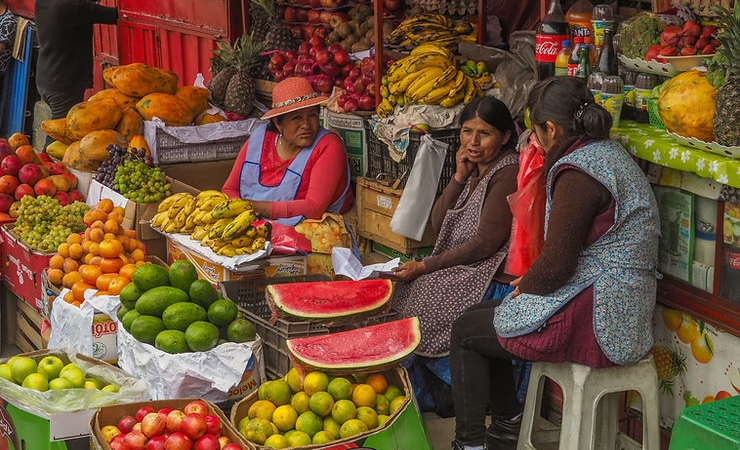
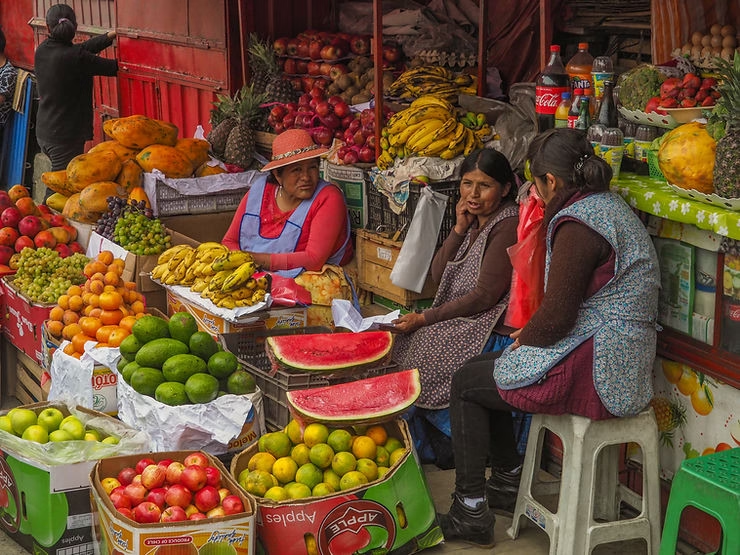
Bolivian cuisine is that of the market, of small street food joints, of large plates filled to overflowing for 2 or 3 euros. Here, we eat to eat, but also to share, and each region of the country brings its own flavors.
Mealtimes are fairly standard:
- Desayuno (breakfast): often light, with bread, jam, coffee or api
- Almuerzo (lunch): the main meal, with soup + a complete dish
- Cena (dinner): lighter, sometimes just soup or empanada
🥔 Key ingredients
You’ll soon spot them on your plate:
- Potatoes: over 200 varieties grown locally!
- Corn: in all its forms, even as a drink
- Rice: always there, often in double rations
- Quinoa: especially in the Altiplano (and very good)
- Meats: chicken, beef, pork… and sometimes llama
- Sauces: the famous llajwa, spicy, fresh and essential
What makes Bolivian cuisine so appealing is its simplicity and authenticity. We eat what the land offers, we often cook at home or at the market, and the portions are generous. What’s more, it’s one of the cheapest countries in South America in which to eat well.
🍽️ Want a taste? Head for the local markets, where the magic happens.
🍽️ 15 must-taste Bolivian specialties
Here’s a selection of typical dishes that you absolutely must try in Bolivia. Whether you’re a gourmand, curious, or simply hungry after a trek at 4,000 meters, you’ll find what you’re looking for. Come on, let’s eat!
1. 🥟 Salteñas
The must-have of Bolivian street food! These juicy, often slightly sweet empanadas are stuffed with meat, hard-boiled egg, potato, peas and hot sauce. Eat them standing up… but leaning forward: it’s an art!
📍 Where: in La Paz, Sucre or Potosí, in the little morning kiosks💡 Tip: perfect for a champion’s breakfast
2. 🍖 Pique Macho
The XXL dish for big appetites: sautéed beef, sausage, French fries, egg, vegetables, sometimes hot pepper. It’s stubborn, greasy, but good. Originally from Cochabamba.
📍 Where: popular restos💡 Tip: share (unless you’ve walked 20 km in the salar).
3. 🍳 Silpancho
XXL breaded steak, served with rice, fried egg, potatoes and tomato-onion salad. Simple, effective and often beautifully presented.
📍 Where: everywhere, but Sucre is proud of it💡 Vegetarian version available in some restos.
4. 🍲 Mondongo
A pork-based sauce dish with white corn, very spicy. A specialty of Sucre.
📍 Where: in Sucre, mostly on Sundays💡 Tip: watch out for the chilli sauce if you’re sensitive
5. 🥜 Sopa de Maní
Creamy peanut soup with potatoes, carrots, chunks of meat and French fries on top (yes, on top). Very comforting!
📍 Where: daily market menus💡 Soup that keeps you going
6. 🐷 Chicharrón
Crispy fried pork, served with mote (boiled corn) and sometimes yuca. A classic.
📍 Where: Cochabamba or at fairs rurales💡 To eat hot, very hot
7. 🔥 Anticuchos
Grilled beef heart skewers with hot sauce and boiled potato. A typical evening snack, to be tried at least once.
📍 Where: on the street, in the evening💡 Dare the heart, it’s good (and cheap).
8. 🍰 Api con pastel
A sweet breakfast: a hot purple drink made with corn and cinnamon (api), served with a fried pastel with cheese. Sweet, crunchy, warm.
📍 Where: in the early morning markets💡 Teste à Sucre, in the central market
9. 🍚 Majadito
Typical dish from eastern Bolivia (Santa Cruz): fried rice with dried meat, egg and plantain. Sweet and salty at the same time, super interesting.
📍 Where: Santa Cruz and surroundings💡 Change of flavour after the Altiplano
10. 🌶️ Llajwa
The Bolivian sauce par excellence: tomato, locoto pepper, coriander. Great on everything. A little spicy, a lot fresh.
📍 Where: everywhere, often homemade💡 Always ask if it stings hard 😉
11. 🦙 Charque de llama
Dried llama meat, lightly smoked, served with corn and egg. Unique taste, much appreciated by locals.
📍 Where: Altiplano, Uyuni💡 Rich in protein, low in fat. Llama is local.
12. 🍗 Sajta de pollo
A Sunday classic: chicken simmered in a spicy yellow sauce, with rice and potatoes. Simple, family-style, very Bolivian.
📍 Where: weekend menus💡 Try it at local guesthouses
13. 🌽 Humintas
Small Bolivian tamales: sweet or savoury corn dough, baked in a corn leaf. Sweet version with raisins and cinnamon, savoury version with cheese.
📍 Where: everywhere, especially in the morning💡 Eat hot, perfect as a snack
14. 🍷 Chicha
A fermented drink made from corn, sometimes sweet, sometimes… very fermented! Try it in villages or markets.
📍 Where: Cochabamba, Tarija💡 Drink in moderation 😅
15. 🍨 Helado de canela
Handcrafted cinnamon ice cream, sold on the street in wooden tubs. Fresh, light, perfect under the Altiplano sun.
📍 Where: Sugar, Potosí💡 Ask for a metal spoon, it’s more stylish 😉

🥤 What to drink in Bolivia (and not just chicha!)
Whether you’re into fresh fruit juice or craft beer, Bolivia has plenty to quench your thirst. Here are some of the typical drinks you’ll find throughout the country.
🍹 Fresh fruit juices (jugos naturales)
Available at all markets, they are made to order. Papaya, banana, mango, strawberry, pineapple, orange… often blended with water or milk.💡 Be careful with the ice used: prefer juices without ice cubes or ask for “sin hielo”.
🍇 Api morado
A hot, sweet drink made with purple corn, cinnamon and cloves. Very nourishing, often served with a fried pastel with cheese.📍 Try it in the morning in the markets. It’s a breakfast in itself.
🍺 Local beer
The best-known is Paceña, followed by Huari and Auténtica. Refreshing, easy to find. Some regions (like Tarija) also have their own craft beers.💡 Bottles are large (620 ml), so often shared.
🌿 Coca mate
Coca leaf infusion, ideal for altitude sickness. Served hot, sometimes with a little sugar or lemon.📍 Very common in La Paz, Sucre or on the Salar. Don’t expect an incredible taste… but it’s effective.
🍷 Chicha
Traditional drink made from fermented corn. Its taste varies enormously depending on the region. Sometimes sweet, sometimes really alcoholic (and sometimes a bit dodgy on the hygiene front 😅).📍 Taste in local canteens, especially around Cochabamba.
💧 What about water?
Tap water is not drinkable everywhere in Bolivia. In the big cities, it’s more reliable, but it’s best to be careful when traveling.
💡 To avoid buying plastic bottles over and over again, you can use an OKO filter flaskfilter flask, which comes in very handy on treks or on the Salar.
🍴 Where to eat in Bolivia to taste all this?
Want to try all these Bolivian specialties without breaking the bank or getting sick? Here are the best places to eat in Bolivia to suit your travel style (and your budget).
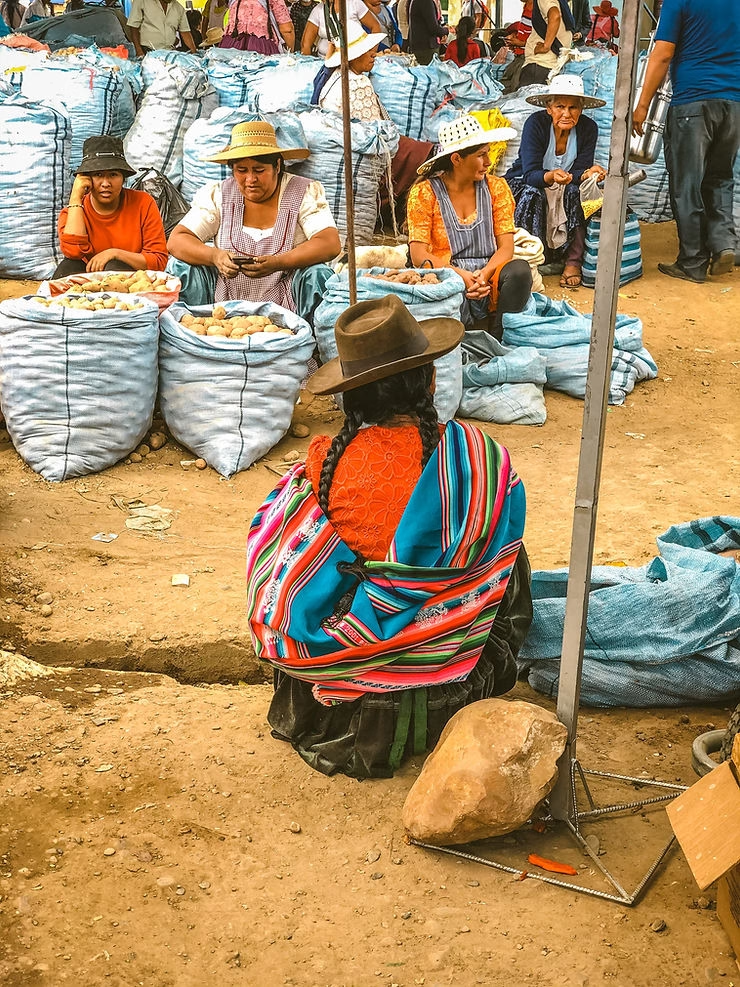
🛒 Markets: the heart of Bolivian cuisine
If you want to eat like a local, head for the covered markets.
- Sucre – Mercado Central: fresh juices, salteñas, almuerzos… everything’s good, everything’s cheap
- La Paz – Mercado Lanza: several floors of stalls offering soups, typical dishes and anticuchos in the evening
- Potosí – Mercado Central: daily specials and mouth-watering mani soup
💡 The “almuerzos” are the typical lunchtime menus: soup + full course for €1.50 to €3. Beware, it closes early (around 2pm).
🍽️ Small local restaurants (pensiones & fondas)
In every town, you’ll find small restaurants without flashy signs, but with tasty home-cooked dishes. See where Bolivians eat, follow your instincts… and your nose.
🔍 Tip: type “almuerzo” or “pique macho” into Google Maps or Maps.me to spot some near you.
🥬 And for vegetarians / vegans?
It’s not always easy in Bolivia (cheese and eggs are everywhere), but in the big cities you’ll find :
- Condor Café à Sucre
- Namas Té or Ali Pacha in La Paz
- And several options on Happy Cow
You can always ask for no meat (“sin carne”) or swap meat for an egg.
📱 Useful apps for eating well in Bolivia
- Google Maps: reviews are often reliable
- Maps.me useful in areas without a network
- Happy Cow: to find vegan-friendly restaurants
- And to stay connected: a Holafly eSIM can save you a lot of wifi hassle
❓ FAQ – Everything you need to know about a typical Bolivian lunch
🥄 What is a typical Bolivian lunch?
A typical Bolivian lunch, called almuerzo, generally consists of two parts: a hot soup as a starter (such as sopa de maní or sopa de légumes), followed by a hearty meat-based main course (beef, chicken, pork or llama), accompanied by rice, potatoes, vegetables and sometimes the spicy llajwa sauce. It’s a simple, nourishing meal, and very popular in guesthouses and markets.
💸 How much does lunch cost in Bolivia?
Prices vary from town to town and from place to place, but in most cases, a typical lunch in a market or guesthouse costs between 10 and 25 bolivianos, or around €1.50 to €3. The value for money is excellent: you’ll leave feeling full, on a shoestring budget.
✅ Conclusion
You see, eating in Bolivia isn’t just rice and potatoes. It’s a journey within a journey, between generous street food, family recipes and amazing drinks. You don’t need to have a big budget to eat well here: with a few bolivianos and a good appetite, you’ll enjoy a feast every day.
So let yourself be tempted, even by dishes with strange names. Test, taste, discover, and above all: eat local, eat curious.
👉 Want to go further? Take a look at :
- My 3-week itinerary in Bolivia
- My tips for a trouble-free visit to Uyuni
- The best activities to book in Bolivia
Bon appétit… and buen provecho! 🇧🇴🍽️

