Impossible to travel to Bolivia without visiting the mythical Lake Titicaca. Perched at an altitude of over 3,800 metres, this sacred lake is not only the highest navigable lake in the world, but also the cradle of Inca civilization and a hotbed of Andean traditions.
Whether you’re a history buff, a lover of spectacular scenery, or simply looking for a peaceful moment, the Bolivian side of the lake has it all: authentic villages, sacred islands, unforgettable hikes, sunsets over sparkling waters…
In this guide, I share with you everything you need to see and do on the Bolivian side of Lake Titicaca: how to get there, what to visit, where to sleep, the best activities, and all my practical advice for making the most of this must-see stopover.
Ready for a breath of fresh air, culture and breathtaking panoramas? Follow the guide!Lake Titicaca on the Bolivian side
🛳️ How do I get to Lake Titicaca on the Bolivian side?
Most travellers start their Titicaca adventure from La Paz, the Bolivian capital. Getting to the lake, Copacabana and the islands is easy… as long as you plan your journey and timetable well in advance!
🚌 From La Paz
- Direct buses La Paz → Copacabana:
- Duration: approx. 3h30 to 4h (including ferry crossing of an arm of the lake at Tiquina)
- Price: €3 to €6 depending on comfort
- Morning and early afternoon departures from the general cemetery or main terminal
- Short ferry crossing to Tiquina:
- The buses get off the ferry, and you cross on foot on a local boat. Original, fast, and a superb view of the lake!
🚖 From Peru (Puno → Copacabana)
- Formalities :
- Tourist buses or collectivos Puno → Copacabana (3h)
- Quick border crossing at Kasani (bring your passport + migration form)
- A few minutes’ walk between the two border crossings
💡 Practical tips
- Book your bus ticket in advance in high season or at weekends (available on site or online).
- Take local currency (bolivianos), especially for the Tiquina crossing.
- Keep your passport and entry form handy for checks
🌅 Copacabana: gateway to local life
Copacabana is the ideal base for exploring Lake Titicaca on the Bolivian side. This tranquil village, nestled between hills and sparkling waters, welcomes you with a peaceful atmosphere, superb scenery and everything you need to organize your stay.
🏖️ Stroll on the shore
- Enjoy the lakeside promenade, where colorful boats and mountains in the distance create the perfect backdrop for posing or taking photos.
- You can rent a pedalo, eat fresh grilled trout in the small beach restaurants, or simply watch the sun set over the calm waters.
⛪ Visit the Copacabana Basilica
- A village landmark, renowned for its religious festivals and its statue of the Black Madonna.
- Don’t miss: the blessing of the cars on the forecourt, a unique ritual!
🍽️ Where to eat & sleep?
- Where to eat: low-cost local menus on the lakeshore, or nice places like La Cupula, Hostal Joshua, and the markets for a Bolivian almuerzo.
- Where to sleep:
- Budget: Hostal Sonia, Hostal Las Olas (incredible views and original cabins)
- Comfort: Hotel La Cupula, Ecolodge Copacabana
🛍️ Local life & markets
- Stroll through the central market to sample specialities, buy souvenirs and local handicrafts, or exchange a few words with the locals.
💡 Take a moment to climb Cerro Calario Cerro Calvario (30-40 min walk): the view of Copacabana and the lake at sunset is spectacular.
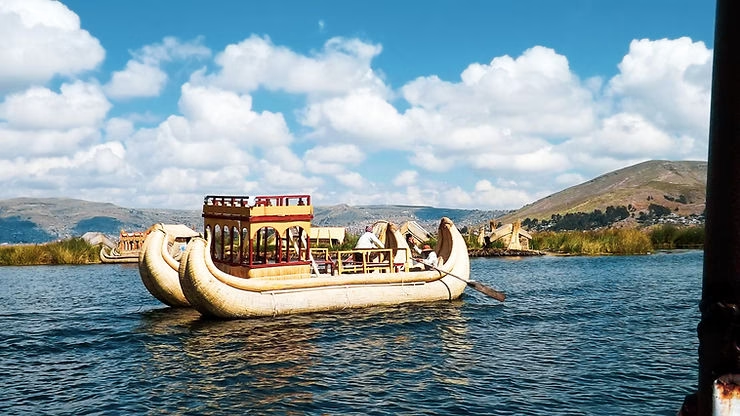
🏝️ Isla del Sol: the sacred island of the Incas
It’s impossible to visit Lake Titicaca on the Bolivian side of the lake without visitingIsla delSol! This mythical island, considered the cradle of the sun according to Inca legend, is a little jewel where time seems to have stood still.
✨ History and myths
Isla del Sol is steeped in history. According to tradition, it was here that the sun god gave birth to the first Incas. Here, you’ll discover numerous relics, including the ruins of Pilkokaina and the Inca staircase leading up from Yumani.
🚶♂️ What to see and do on the island
- Hiking between villages:
- The main trail links Yumani (to the south) to Challapampa (to the north), a 2-3 hour walk with breathtaking views of the lake and the Cordillera Real.
- Discover sacred sites:
- The Sacred Rock, Chinkana temple, Inca agricultural terraces.
- Enjoy the peace and quiet:
- No cars here, just footpaths, donkeys and panoramic views everywhere.
🛥️ How to get there
- Departure from Copacabana: morning boats (8:30am-9am) and early afternoon boats (1:30pm-2pm).
- Journey time: approx. 1h30.
- Please note: ask about the situation between villages, as some trails are sometimes closed (due to local conflicts).
🛏️ Where to sleep on Isla del Sol
- Family-run hostels in Yumani (Hostal Inti Wayra, Hostal Casa del Sol…): authentic atmosphere, lake views and warm welcome.
- Spend the night in a local’s home: a great way to share in daily life and taste the local cuisine.
- Book in advance in high season or if you want a room with a view!
💡 Tip: stay one night on the island to enjoy the peace and quiet after the boats leave and watch the sunset/sunrise over the lake… magical moments guaranteed.
🚶♂️ Other activities and excursions around Lake Titicaca
There’s more to Lake Titicaca than Copacabana and Isla del Sol. Here are some other must-see activities and discoveries to enrich your stay in the region.
🚤 Boat trip on the lake
- Take a trip on the lake to discover other islands, meet fishermen and enjoy unique views of the Andean mountains.
- Some agencies offer tours to Isla de la Luna or traditional fishing excursions.
🧭 Panoramic hikes
- Cerro Calvario: the hill overlooking Copacabana, ideal for an unforgettable sunset over the lake.
- Yumani – Challapampa trail on Isla del Sol: 2 to 3-hour walk between ruins, Inca terraces and breathtaking panoramas.
- For trekking enthusiasts, there is the possibility of day-long or multi-day hikes.
🛶 Kayak and paddle
- Several operators in Copacabana rent kayaks or paddles to explore the lake in total freedom.
- Ideal for getting close to the wild shores and enjoying the calm of the waters.
🎭 Market tours and cultural discovery
- Stroll through the local markets to sample Andean cuisine (lake trout, potatoes, local soups) and buy handicrafts or traditional textiles.
- Some villages organize festivals or celebrations, so don’t hesitate to ask the locals.
💡 Remember to take a OKO water bottle to avoid buying bottled water, and an Holafly eSIM to stay connected on site.
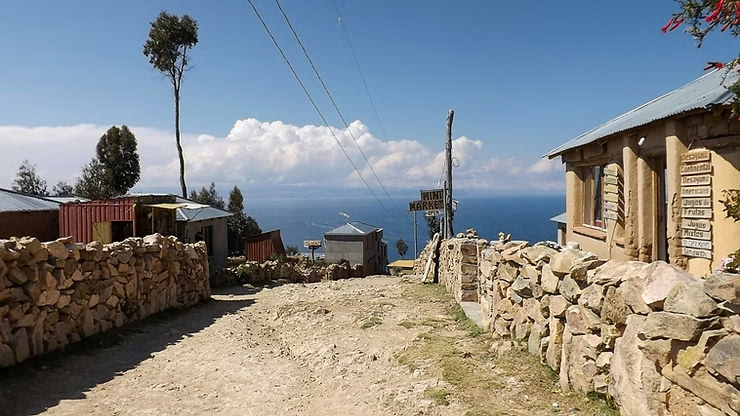
🛠️ Practical tips for visiting Lake Titicaca
Travelling around Lake Titicaca is easy… as long as you’re well prepared! Here are my tips for getting the most out of the region without the hassle.
📅 Best time to visit
- May to September: dry season, pleasant temperatures, clear skies, perfect for hiking and lake excursions.
- October to April: rainy season, greener vegetation but more uncertain weather, sometimes muddy trails.
🏥 Health and altitude
- The lake is at an altitudeof over 3,800 m: take time to acclimatize in La Paz or Copacabana before any physical exertion.
- Drink plenty of water, avoid alcohol for the first few days, and remember to take altitude sickness medication with you if you need it.
🎒 What to put in your bag?
- Warm evening clothes (it can be cold even in summer)
- Sun cream, sunglasses, hat
- Comfortable walking shoes
- OKO water bottle filter for safe drinking of lake or tap water
- Holafly eSIM for easy connectivity
- A small rucksack for day trips
💸 Average budget & safety
- Expect to pay €10-20 per day, all-inclusive (accommodation, meals, excursions).
- Always carry cash, there are few ATMs on the islands
- The region is safe, but as everywhere, keep an eye on your belongings, especially in tourist areas.
🌱 Environmentally friendly
- Avoid plastic, opt for a filtering gourd
- Leaves no trace on paths or beaches
- Favors small local accommodations and responsible excursions
📸 The most beautiful photo spots on Lake Titicaca
Lake Titicaca is a true paradise for photo enthusiasts, whether you’re equipped with a smartphone or a pro camera. Here are the must-see spots for unforgettable shots:
🌅 Sunset from Cerro Calvario
Climb the hill overlooking Copacabana at the end of the day: the low-angled light on the waters of the lake, the mountains in the background and the colorful rooftops of the village create a magical panorama.
🏝️ The trails of Isla del Sol
Walking between Yumani and Challapampa, you’ll enjoy breathtaking views of the lake, nearby islands and the Cordillera Real in the distance.
⛪ Copacabana basilica and its markets
The white facades of the basilica, the colorful atmosphere of the markets and local life provide the perfect backdrop for authentic, lively photos.
🛶 On the lake, by boat or kayak
Take time for a stroll on the water to capture reflections, fishermen, traditional boats and the changing light of the lake at every hour of the day.
🤳 Bonus: local life
Don’t overlook portraits of women in traditional dress, market scenes, herds of animals on trails or the architectural details of Andean villages.
💡 Remember to keep your camera charged and your memory card empty: you’ll be shooting!
❓ Special Titicaca FAQ
Can you swim in Lake Titicaca?
Yes, it’s possible, but the water is very cold all year round (around 12-14°C). Choose the small beaches around Copacabana, where the locals swim.
Do I have to book the boats in advance?
It’s not compulsory out of season, but advisable if you want to leave early or in high season (vacations, weekends). Buy your ticket the day before in Copacabana for Isla del Sol.
How many days on Lake Titicaca?
Ideally 2 to 3 days: one night in Copacabana to acclimatize and one night on Isla del Sol to enjoy the peace and quiet after the boats have left.
Can you visit Isla de la Luna?
Yes, but fewer boats go there, and there’s less accommodation. To be done as a day trip or combined with Isla del Sol.
How well do children adapt to altitude?
Generally yes, but take the time to arrive gently, monitor fatigue and keep them well hydrated. No strenuous activity on the first day.
✅ Conclusion
Lake Titicaca, on the Bolivian side, is a concentrate of grandiose landscapes, Inca history and authentic encounters. Between peaceful villages, sacred islands, panoramic hikes and colorful markets, each stage is an invitation to take your time and immerse yourself in Andean culture.
To make the most of this experience, make sure you’re well-prepared for your stay: think about the altitude, equip yourself with a OKO to avoid plastic, an eSIM Holafly to stay connected, and let yourself be carried away by the magic of the lake.
Whether you come for two days or a week, the Titicaca will be one of the highlights of your trip to Bolivia. Bolivia.
👉 Discover other guides about the country, share your experience in comments, and book your excursions now so you don’t miss a thing of this mythical destination!

